Hydraulic valves come in various configurations that determine their operation. The two main types are open-center and closed-center valves.
Hydraulic valves control the flow of fluid within a hydraulic system, directing it where necessary for operation. It's crucial to know their status for effective troubleshooting.
Before you begin, ensure that you are wearing appropriate safety gear, including gloves and goggles. Turn off the hydraulic system and relieve any pressure present.
Identify the hydraulic valve you want to inspect in your hydraulic system. Take note of its make and model for reference.
Examine the valve for any visible signs of wear or damage. Look for leaks or corrosion around the valve body.
For open-center valves, fluid should flow freely through the system when the valve is engaged. For closed-center valves, the flow will be blocked. Use a pressure gauge to measure fluid pressure.
Operate the hydraulic system while observing the valve's reaction. Listen for unusual sounds, and check for sluggish movements in connected machinery.
Document the pressure readings and any irregularities observed during testing. This data will be useful for further analysis or repairs.
If testing reveals complex issues or if you are unsure about the valve's condition, consider consulting a Hydraulic Valve Manufacturer for professional support. Our company, DINGAN, specializes in providing high-quality hydraulic solutions and expert guidance to ensure your systems run smoothly.
Understanding the operation of hydraulic valves is essential for maintaining hydraulic systems. By following these steps and consulting professionals when necessary, you can ensure optimal performance in your hydraulic applications.
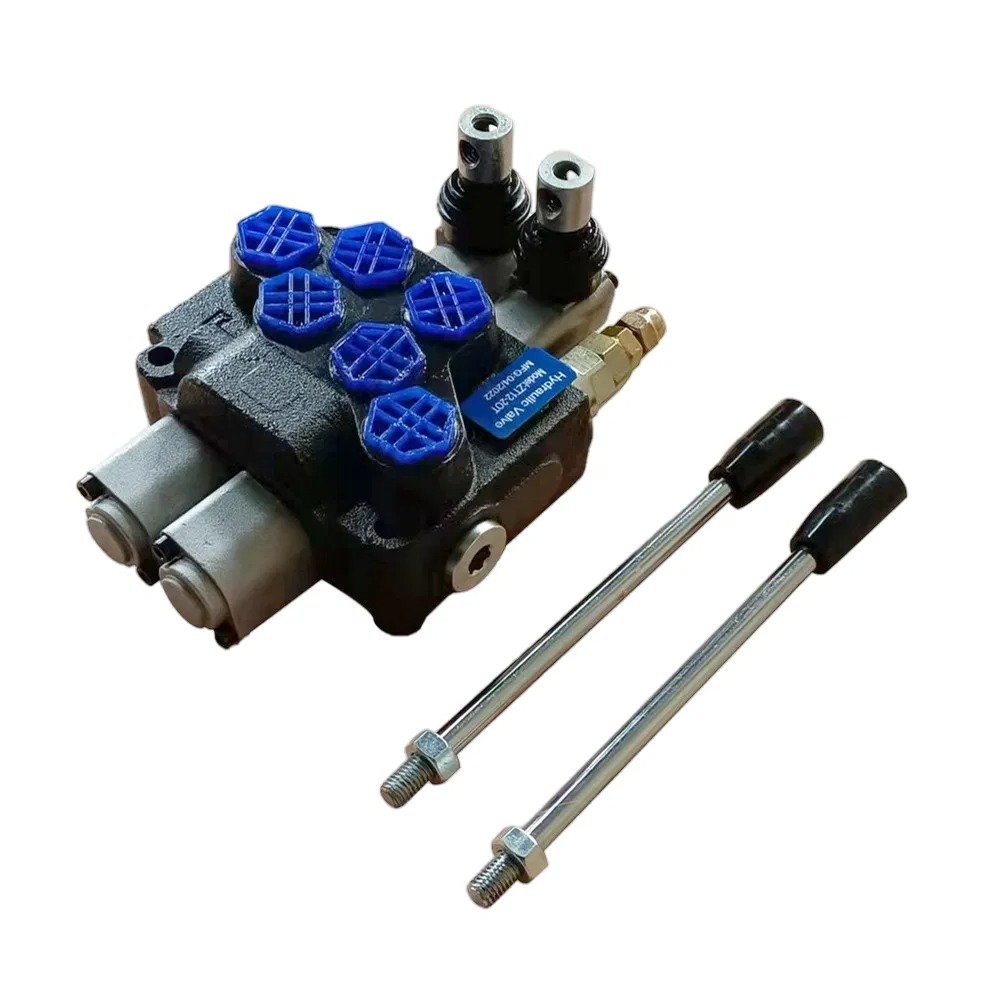 DINGAN Hydraulic Valves">


