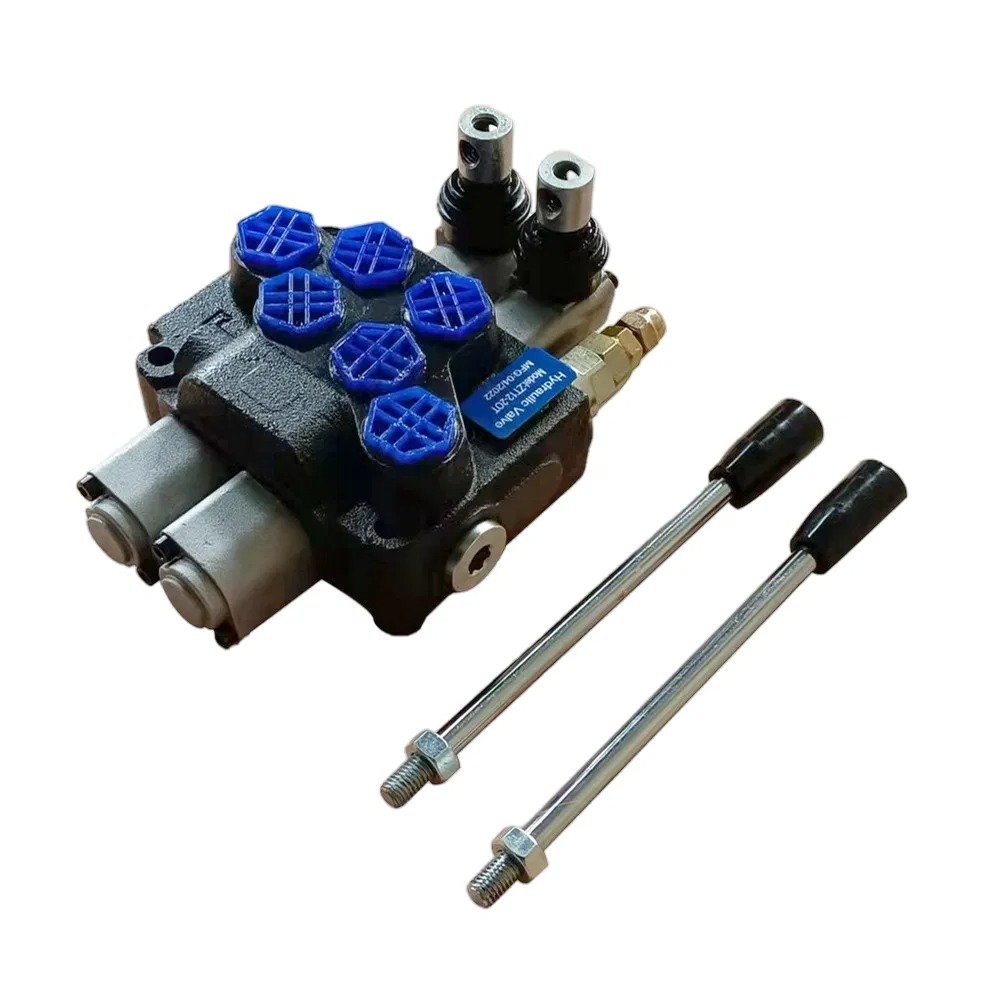
What is a Hydraulic Valve?
Definition and Functionality
A hydraulic valve is a device used to control fluid flow in hydraulic systems. It regulates the flow direction, pressure, and flow rate, playing a crucial role in machinery and vehicles.
How Does a Hydraulic Valve Work?
Step-by-Step Operation Process
- First Step: Fluid Entry - Hydraulic fluid enters the valve through an inlet port, which ensures that the fluid is directed into the system.
- Second Step: Control Mechanism Engagement - The control mechanism within the valve (manual or electronic) determines the direction and flow rate of the fluid.
- Third Step: Fluid Direction Control - Based on the control input, the valve opens or closes specific ports, directing the fluid to its designated path.
- Fourth Step: System Activation - The controlled fluid then powers various hydraulic components (e.g., cylinders or motors), facilitating movement or operation.
- Fifth Step: Feedback Loop - Sensors may provide feedback to the control mechanism, ensuring precise operation and adjustments as required.
Essential Tools Required
- Hydraulic fluid
- Pressure gauge
- Wrenches
- Screwdrivers
- Sealing tape
- Personal protective equipment (gloves, goggles)
Common Mistakes to Avoid
- Incorrect Fluid Type - Always use the specified hydraulic fluid type to prevent valve damage.
- Neglecting Maintenance - Regularly check and maintain the valve to ensure optimal performance.
- Over-tightening Connections - Avoid over-tightening which may lead to leaks or component failure.
- Ignoring Safety Protocols - Always follow safety guidelines during operation and maintenance to prevent accidents.
Conclusion: The Importance of Hydraulic Valves
Understanding how a hydraulic valve works is essential in various industries. Regular maintenance and correct application of hydraulic valves ensure the efficiency and safety of hydraulic systems. For quality hydraulic valves, trust DINGAN, your reliable Hydraulic Valve Manufacturer.