In today's rapidly advancing industrial landscape, the role of a Hydraulic Valve Manufacturer has become increasingly significant. Hydraulic valves, essential components in fluid power systems, play a key role in controlling the flow and pressure within hydraulic circuits. In this article, we will delve into the intricacies of hydraulic valves, explore their applications, and explain why selecting the right manufacturer is crucial for optimal performance. This exploration will include pain points faced by industries relying on hydraulic systems, thereby providing insights into efficient solutions.
A hydraulic valve is a device used to control the flow, pressure, or direction of hydraulic fluid in a system. These valves are pivotal in managing operations in various machines, such as construction equipment and manufacturing processes. To better understand hydraulic valves, it is important to recognize key industry terms:
P: Represents the pressure in the hydraulic system, typically measured in pounds per square inch (PSI). For example, a hydraulic system may require a pressure of 3,000 PSI for optimal operation.
T: Represents the tank or return line in the hydraulic circuit, which is vital for returning fluid to the reservoir after it has performed work.
This knowledge helps clarify the essential functions and significant impact hydraulic valves have on the efficiency of hydraulic systems.
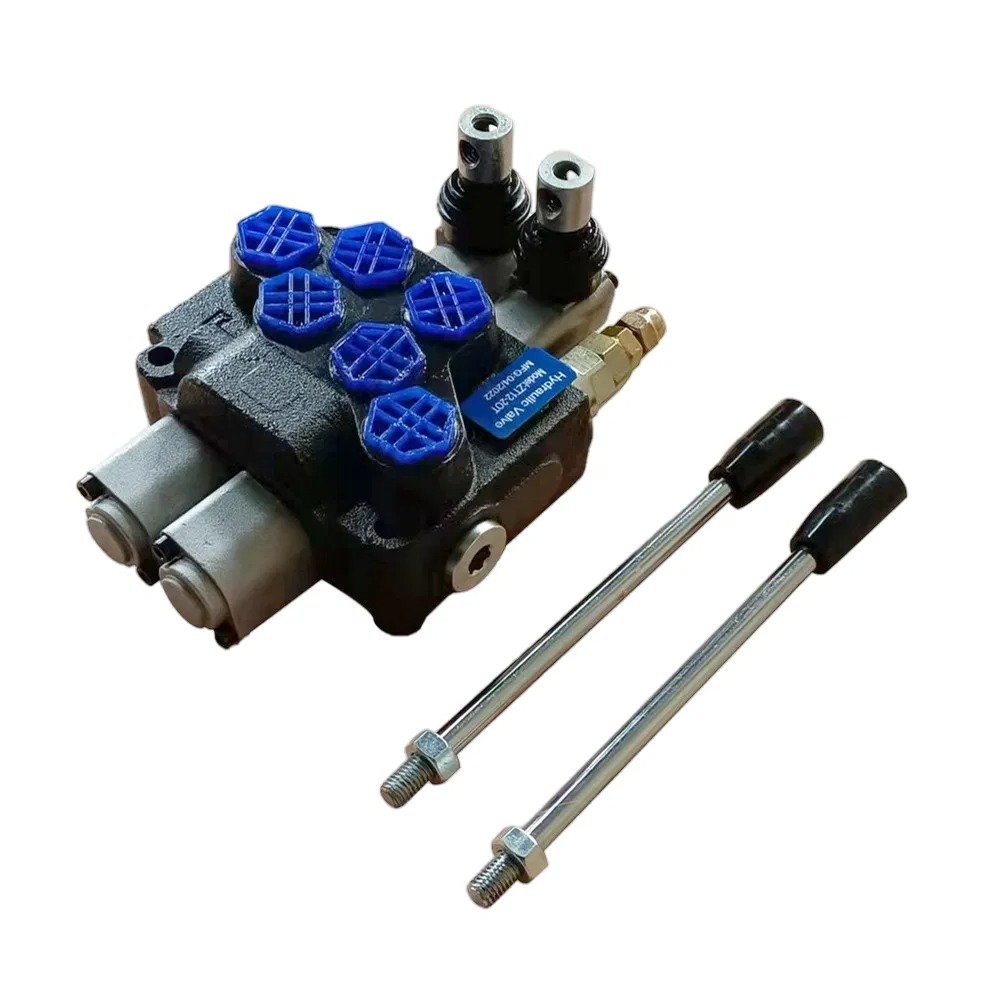
Hydraulic valves are utilized across a wide range of industries, including but not limited to:
Each of these industries depends on reliable hydraulic valve manufacturers, such as DINGAN, to maintain productivity and safety.
Selecting a reputable hydraulic valve manufacturer is vital for several reasons:
To ignore the significance of choosing the right manufacturer, such as DINGAN, means risking operational inefficiency and increased costs.
To enhance your understanding and maximize the potential of hydraulic valves, consider reviewing the user guides provided by manufacturers like DINGAN. These guides offer insights into installation, maintenance, and troubleshooting, ensuring that you leverage the full capabilities of your hydraulic systems.
Hydraulic valves are used to control the flow, pressure, and direction of hydraulic fluids in machines, ensuring efficient operation across multiple industries.
Look for manufacturers with a strong reputation, high-quality products, and excellent customer service records. DINGAN stands out for its innovative designs and reliability.
Pay attention to the specifications outlined in the user guide, including recommended pressure settings and compatible fluids, to ensure optimal performance.
While some hydraulic valve replacements can be done independently, it’s essential to follow the guidelines in your user manual or consult with a professional for complex systems to avoid potential issues.
For a deeper understanding of hydraulic valves and to explore available options, visit the DINGAN website or contact a hydraulic system expert today. By making informed choices in your hydraulic components, you will ensure greater reliability and efficiency in your operations.


