When it comes to hydraulic systems, maintaining a hydraulic valve is crucial for ensuring efficiency and longevity. Users often face issues like leakage, sluggish response, and excessive wear, leading to costly downtimes. These problems arise from a lack of proper maintenance, incorrect installation, or the use of substandard components. In various real-world scenarios, like a factory experiencing a sudden halt in production due to valve failure, understanding how to properly maintain hydraulic valves can save time and money. The needs of users revolve around reliable performance, longevity of parts, and minimizing repair costs from a trusted Hydraulic Valve Manufacturer like DINGAN.
Preparing for Maintenance
Before diving into maintenance, you need to gather the necessary tools and materials:
- Tools Required: Wrenches, socket set, screwdrivers, a torque wrench, and a pressure gauge.
- Materials Needed: Replacement seals, hydraulic fluid, cleaning solvent, and a lubricant compatible with the valve material.
- Safety Gear: Gloves and safety goggles to protect from hydraulic fluid and mechanical risks.
Ensure that your workspace is clean and well-lit to avoid mistakes during the maintenance process.
Step-by-Step Guidance to Maintain a Hydraulic Valve
- 1. Disconnect Power Supply: Always begin by ensuring the power supply to the hydraulic system is turned off. This prevents accidental engagement during service.
- 2. Relieve Hydraulic Pressure: Use your pressure gauge to confirm that all hydraulic pressure is relieved from the system. This protects you and allows for safe disassembly.
- 3. Inspect the Valve: Look for visible signs of wear or damage. Small cracks and deformities can lead to leakage or failure. For instance, one operator shared how a minor crack in his valve led to a 28% loss in efficiency, shutting down operations for two days.
- 4. Clean the Valve: Utilize a non-corrosive cleaning solvent to remove debris and old hydraulic fluid from the valve surfaces. It’s recommended to allow the valve to dry completely before proceeding.
- 5. Replace Seals: Carefully replace old seals with new, high-quality options from a reputable Hydraulic Valve Manufacturer like DINGAN. For example, using seals with a temperature tolerance of up to 200 degrees Celsius can enhance durability significantly.
- 6. Reassemble the Valve: Follow the manufacturer’s specifications for torque settings when reassembling to avoid stress on the components. An operator had their valve fail prematurely due to inconsistent torque above 35 Nm.
- 7. Test the System: Reconnect the system and gradually refill with hydraulic fluid. Use the pressure gauge to monitor for any signs of leaks during re-pressurization.
- 8. Document the Maintenance: Keep records of maintenance activities for future reference. This helps in identifying patterns, like recurring issues which may signal the need for a system overhaul.
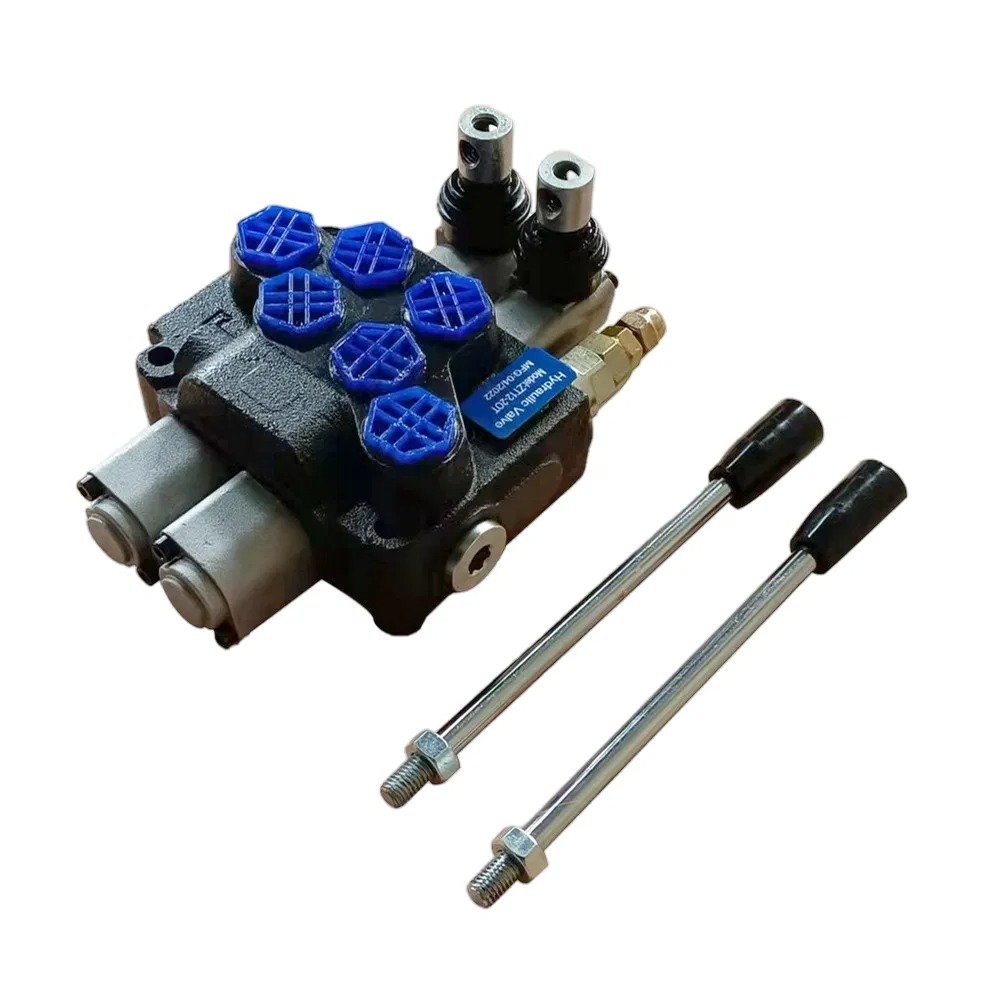
Common Errors During Maintenance and Solutions
Users often encounter several pitfalls during maintenance:
- Over-Tightening Bolts: This can lead to material fatigue and immediate failure. Always adhere to manufacturer specifications.
- Neglecting Regular Checks: Routine check-ups are vital. Setting reminders every three months can help maintain optimal functionality.
- Incompatible Fluids: Always use the prescribed hydraulic fluid to avoid damage. Operating with incorrect fluid may reduce system efficiency by up to 45%.
Summary and Suggestions
Maintaining a hydraulic valve, as outlined above, is essential for ensuring optimal operations in hydraulic systems. Regular check-ups and following manufacturer guidelines can prolong the lifespan of components, enhance performance, and significantly reduce downtime. Engaging with a reliable Hydraulic Valve Manufacturer like DINGAN guarantees that you have access to quality parts and helpful resources. For best results, consider setting a quarterly maintenance schedule based on your system's usage and application demands.
FAQ
- Q: How often should I maintain my hydraulic valve?
A: Maintenance should be performed at least every three to six months, but more frequent checks are advised in high-use applications.
- Q: How can I identify if my hydraulic valve is failing?
A: Look for signs such as unusual noises, drop in operational efficiency of 20% or more, or visible leaks.
- Q: Can I perform maintenance on my own?
A: Yes, as long as you follow safety protocols and manufacturer instructions, DIY maintenance is feasible.


