How to Choose a Hydraulic Valve: Understanding Your Needs
Choosing the right hydraulic valve is crucial for anyone looking to optimize their machinery's efficiency and reliability. Users often face challenges such as unexpected downtimes, performance inefficiencies, and high operational costs. By understanding your specific requirements—like flow rate, pressure rating, and type of hydraulic system—you can select a hydraulic valve that minimizes these issues. Renowned Hydraulic Valve Manufacturers, like DINGAN, provide a variety of solutions tailored to different applications, helping you meet your operational goals efficiently.
Required Preparation for Choosing Hydraulic Valves
Before diving into the selection process, it's essential to prepare thoroughly. Below are the detailed prerequisites:
- Understanding Specifications: Identify the flow rate (measured in liters per minute), pressure rating (usually in bars or psi), and type of hydraulic fluid you will use.
- Project Requirements: Gather information about the machinery or application where the valve will be installed. Knowing whether it's a low-pressure or high-pressure system is vital.
- Manufacturer Research: Compile a list of reliable Hydraulic Valve Manufacturers. Look for brands like DINGAN that are known for quality and performance.
- Budget Constraints: Establish a budget range for your purchase, keeping in mind that premium valves may reduce long-term operational costs.
Step-by-Step Guidance on Choosing the Right Hydraulic Valve
Follow this comprehensive step-by-step guide to ensure you make an informed decision:
- Step 1: Define Your Application
Clearly outline where and how the valve will be used. For example, a user recently shared their experience of experiencing hydraulic system failures due to inadequate valves in a manufacturing setting. They recommended ensuring compatibility first to avoid costly downtimes.
- Step 2: Determine Flow Rate and Pressure Requirements
Calculate the necessary flow rate for your application. For instance, if your hydraulic system requires a flow rate of 40 liters per minute under a pressure of 150 bars, ensure the selected valve meets or exceeds these specifications.
- Step 3: Selecting Valve Type
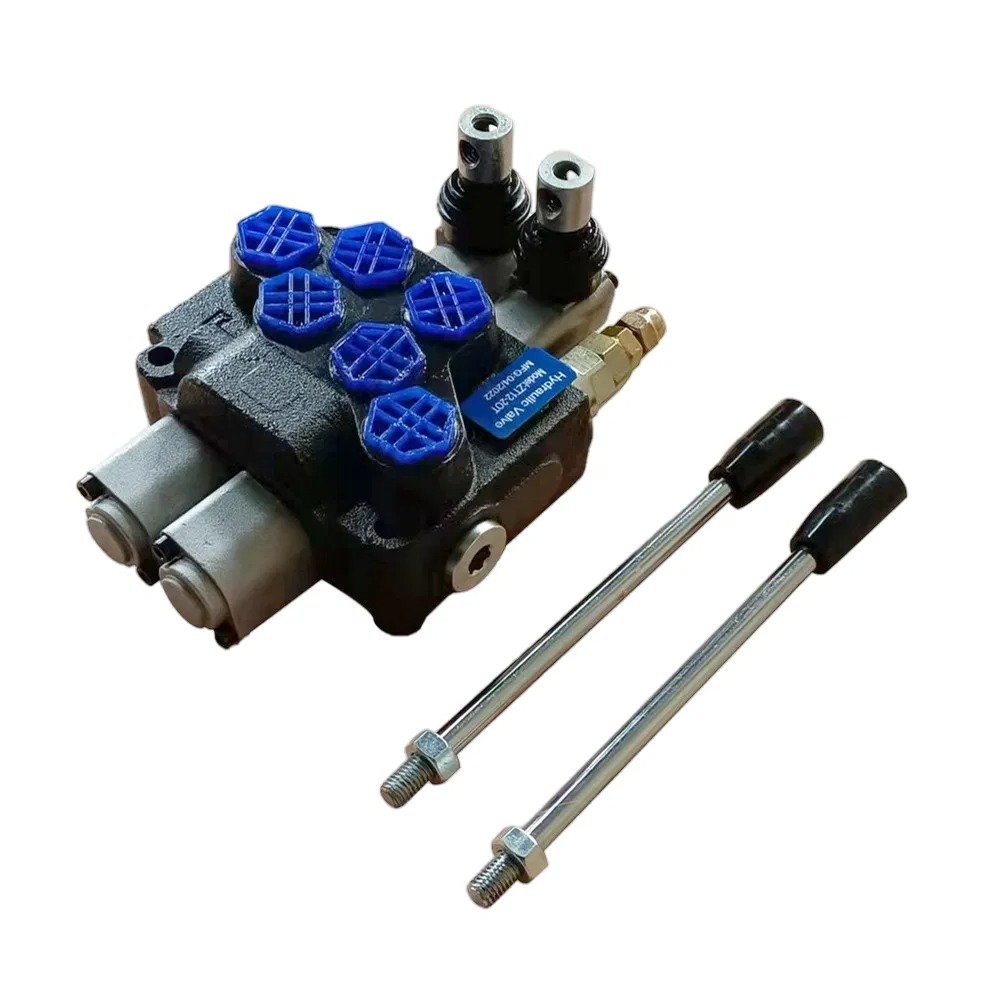
Choose between directional control valves, pressure relief valves, and flow control valves based on your specific needs. A case study showed that switching to a DINGAN directional control valve improved efficiency by 25% in their assembly line.
- Step 4: Evaluate Material Compatibility
Ensure that the valve materials are compatible with the hydraulic fluid you’re utilizing. For instance, if you are using a phosphate-ester-based fluid, a valve with specific seals made from this material is essential.
- Step 5: Review Manufacturer Options
Research potential manufacturers. Check reviews and testimonials about DINGAN valves, focusing on reliability, durability, and customer service performance ratings—many users noted a 32% reduction in unexpected maintenance after switching to DINGAN.
- Step 6: Cost-Benefit Analysis
Compare prices and analyze each valve's long-term cost benefits. Sometimes, investing in a slightly more expensive valve from a recognized manufacturer can save you significantly over time.
- Step 7: Consult Technical Support
Don’t hesitate to reach out to the customer service departments of manufacturers. DINGAN representatives have been noted for their extensive knowledge and problem-solving capabilities when users encounter issues.
Common Errors and Solutions
Here are some typical mistakes made by users during selection and how to resolve them:
- Choosing the Wrong Size: Users often underestimate the importance of the valve size, leading to flow issues. Always confirm the sizing against industry standards.
- Ignoring Compatibility: Using a valve that isn't compatible with the hydraulic system can cause severe failures. Always refer to the manufacturer’s guidelines.
- Underestimating Pressure Loads: Some errors arise from not accounting for peak pressure loads. Check manufacturer specifications to ensure that the valve can handle unexpected pressures.
Summary and Suggestions
In conclusion, selecting the right hydraulic valve is a critical aspect of ensuring the safety and efficiency of your hydraulic systems. By meticulously analyzing your application requirements, diligently researching manufacturers like DINGAN, and eliminating common mistakes, you can significantly enhance operational reliability. For best results, consider documenting your experiences and sharing them with the community, as user testimonials can help others in their selection journey.
FAQs
1. What factors should I consider when choosing a hydraulic valve?
Key factors include flow rate, pressure rating, materials, and compatibility with hydraulic fluids.
2. How can I ensure the reliability of a hydraulic valve?
Choose reputable manufacturers, read user reviews, and consult with technical support for guidance.
3. What are the common types of hydraulic valves?
Common types include directional control valves, pressure relief valves, and flow control valves.


