Hydraulic systems play a crucial role in various industries, and understanding how to identify the issues with hydraulic valves is essential for maintaining performance. Users often face problems such as fluctuating pressure, slow actuator response, or unexpected system shutdowns, all hinting at potential valve failures. Recognizing these signs early can save you both time and money, avoiding costly repairs from unreliable Hydraulic Valve Manufacturers. This article examines user experiences, highlights the need for actionable diagnostics, and provides detailed guidance for identifying bad hydraulic valves.
1. Unstable Pressure Readings
One of the most common indicators of a malfunctioning hydraulic valve is unstable pressure. For instance, factory operator John noticed that his machine's pressure would fluctuate unexpectedly, causing interruptions in production. After measuring the pressure at multiple points, John realized that inconsistent valve performance was leading to a 20% decrease in operational efficiency.
2. Slow or Jerky Actuator Movement
Another sign of a bad hydraulic valve is slow actuator movement, observed when hydraulic valves fail to direct fluid appropriately. Case in point, a construction engineer named Sarah observed that her excavator's boom was responding slowly. Diagnostics revealed that a malfunctioning valve was causing delays of up to five seconds per operation, critically affecting project timelines.
3. Hydraulic Fluid Leaks
Leaks from hydraulic valves are a clear sign of deterioration. A user named Mark reported experiencing hydraulic fluid accumulation near the valves, which not only indicated valve failure but also posed workplace safety hazards.
Before proceeding with troubleshooting, gather the necessary tools and materials:
Step 1: Inspect for Leaks
Begin with a visual inspection of the hydraulic valve area. Check for any signs of fluid leaks. If you notice fluid pooling or spraying, you may have a faulty seal or valve.
Step 2: Measure System Pressure
Attach a pressure gauge to the hydraulic system. Start the system and observe the pressure readings. Fluctuations beyond 10% of your system's rating could indicate a problem with the valve.
Step 3: Test Actuator Response
Engage the actuator and note the response time. If there are delays of over three seconds, inspect the hydraulic valve for obstructions or internal wear.
Step 4: Examine Fluid Condition
Check the hydraulic fluid for contaminants. Dirty or emulsified fluid can impair valve function. Replace the fluid if it appears contaminated.
Step 5: Disassemble the Valve
If issues persist, disassemble the valve according to the manufacturer’s guidelines. Use diagnostic software to analyze electronic valves if applicable.
Step 6: Inspect Components for Wear
Examine springs, seals, and ball seats for wear. Damaged components should be replaced immediately to restore functionality.
Step 7: Reassemble and Test
Reassemble the valve once you've made necessary repairs. Run a system test to ensure pressure stability and actuator response.
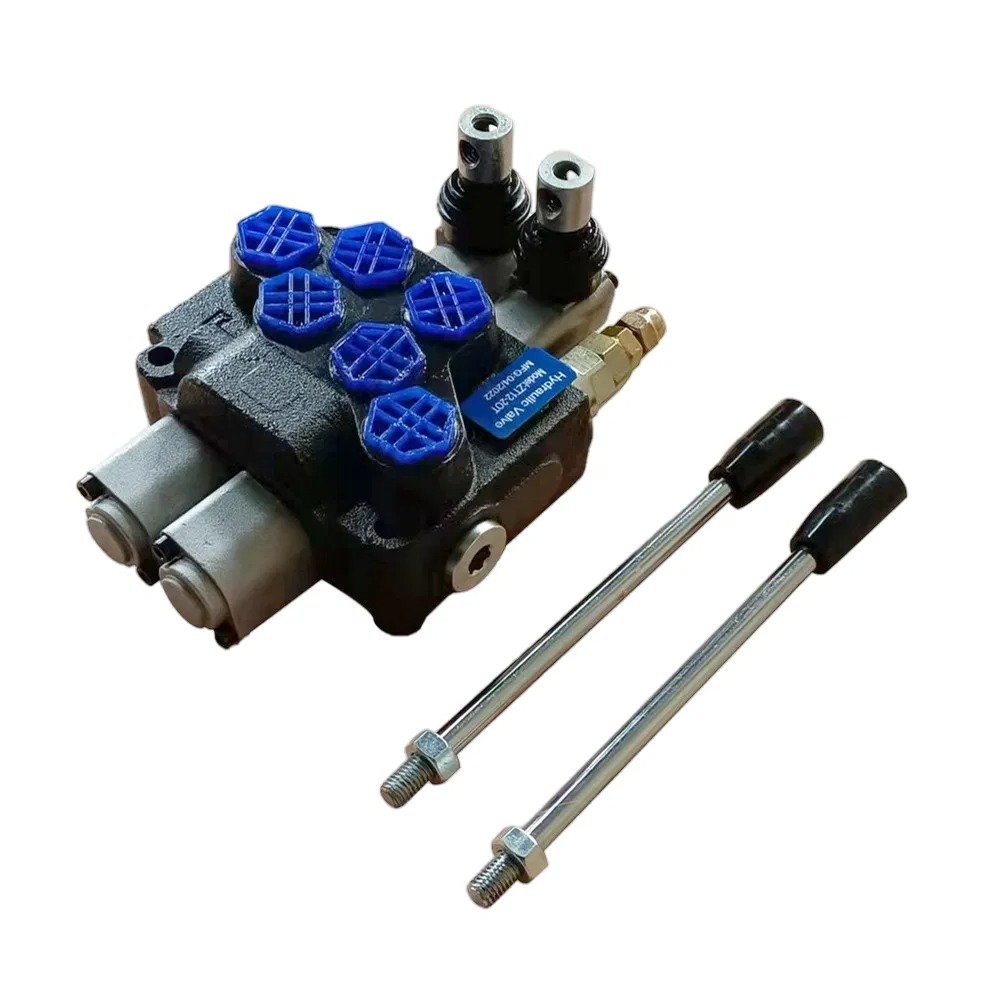
Error 1: Overlooking Small Leaks
Users often ignore minor leaks, assuming they are cosmetic. However, small leaks can indicate significant valve wear. Always address leaks promptly.
Error 2: Not Performing Regular Maintenance
Neglecting routine checks can lead to disastrous failures. Schedule regular maintenance intervals, which should ideally be monthly.
Error 3: Using Incorrect Replacement Parts
Using non-spec parts can cause further damage. Always consult your hydraulic valve manufacturer, like DINGAN, for the correct specifications.
Identifying a bad hydraulic valve involves observing symptoms such as pressure fluctuations, slow actuator response, and leaks. Early detection and routine maintenance are crucial in preventing major repairs. If you encounter persistent issues, consulting with professionals or reaching out to reputable hydraulic valve manufacturers like DINGAN can provide additional insights. Understanding your valve’s functions and needs will lead to improved efficiency and safety in operations.
1. How often should I inspect my hydraulic valves?
Regular inspections should be performed monthly or after every 100 operational hours to ensure optimal performance.
2. What should I do if I find a damaged valve?
Replace the damaged valve or its components immediately to prevent systemic issues within your hydraulic system.
3. Can I repair a hydraulic valve myself?
Yes, if you have the right tools and knowledge. However, for complex issues, consulting a professional is wise.


