In the world of fluid control systems, Hydraulic Valve Manufacturers play a critical role in ensuring the efficiency and reliability of various industrial operations. As businesses prioritize optimizing performance and reducing downtime, these manufacturers have emerged as crucial partners in enhancing fluid management systems. Addressing common pain points such as operational inefficiencies, rising costs, and equipment failures is paramount. By providing high-quality hydraulic valves, manufacturers not only improve the reliability of machinery but also significantly reduce maintenance frequencies.
In this article, we'll explore what makes hydraulic valves essential components in industries ranging from construction to automotive, define key terms, identify applications, evaluate their advantages, and guide you on your next steps in understanding these vital systems.
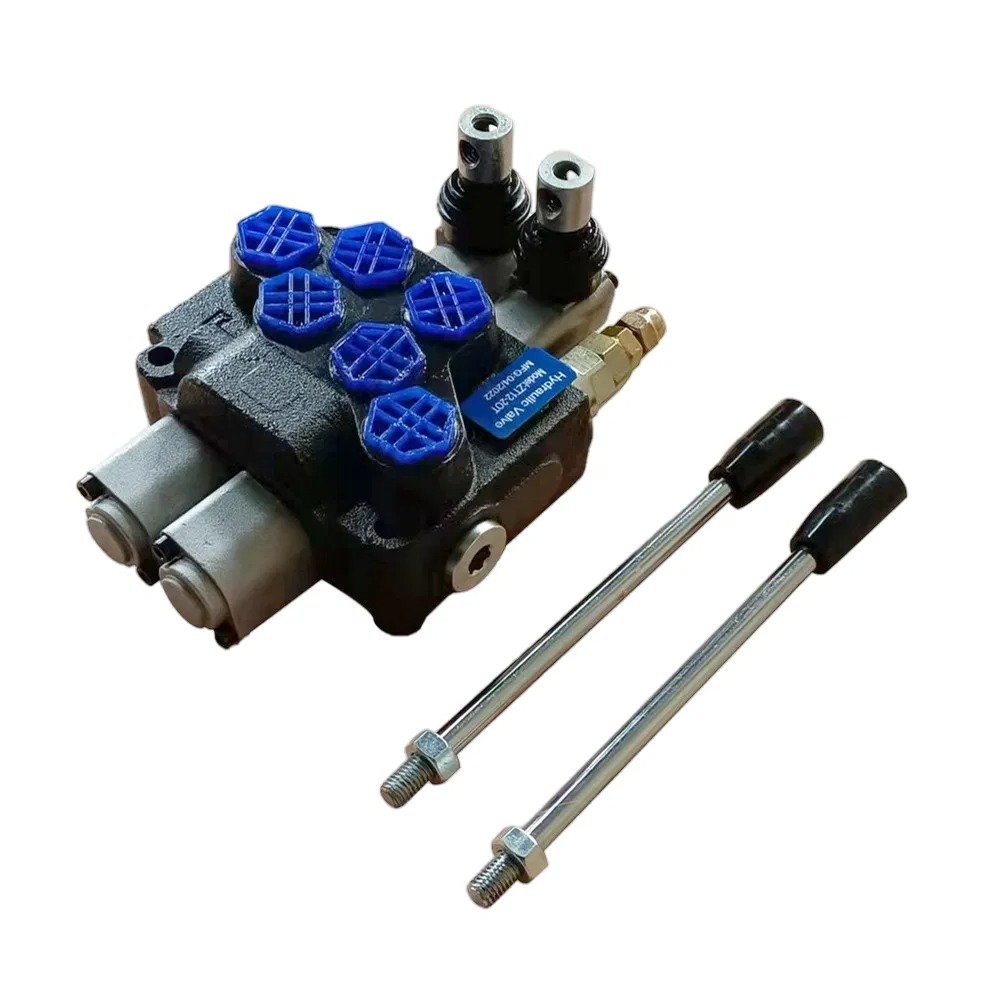
A Hydraulic Valve is a mechanical device that controls the flow and pressure of hydraulic fluid within a system. These valves operate by altering the path of the hydraulic fluid, effectively managing the power generated within hydraulic circuits. Essential terms associated with hydraulic valves include "actuator," which refers to components converting fluid power into mechanical motion, and "flow control," which determines how much fluid passes through a specific point.
Understanding these definitions lays the groundwork for comprehending how these components influence fluid dynamics and overall system efficiency. Hydraulic valves come in various types, including directional control valves, pressure control valves, and flow control valves, each serving distinct functions within hydraulic systems.
Hydraulic valves are indispensable across numerous sectors:
Construction: In machinery such as excavators and bulldozers, hydraulic valves control lifting, steering, and maneuvering, aiding in precision and safety.
Automotive: In vehicles, hydraulic valves are used in braking systems and power steering, ensuring efficient control and responsiveness.
Manufacturing: Automation in factories relies heavily on hydraulic systems, where hydraulic valves manage operations on assembly lines, drastically reducing operational times by up to 40%.
Aerospace: Aircraft hydraulic systems rely on valves to control wing flaps and landing gears, critical for flight safety.
These varied applications showcase how hydraulic valve manufacturers contribute significantly to machinery functionality, safety, and productivity across industries.
Choosing high-quality hydraulic valves can lead to several measurable benefits:
Increased Efficiency: Studies indicate that companies using precision hydraulic valves can improve operational efficiency by approximately 25%. This enhances output and reduces energy costs.
Reduced Wear and Tear: Quality hydraulic valves manage pressure better, which can extend the lifespan of machinery parts by up to 30%, minimizing replacement costs.
Enhanced Safety: Reliable hydraulic systems equipped with quality valves significantly lower the risk of malfunctions, which can contribute to a 50% decrease in workplace accidents related to fluid system failures.
The importance of hydraulic valves in maintaining and improving industrial systems cannot be overemphasized, as their reliability directly translates to better workflow.
For further understanding of hydraulic valves, consider reviewing your user guides or manufacturer specifications. Familiarizing yourself with DINGAN, a recognized brand in hydraulic solutions, will provide insights on selecting the right valve for your needs. Accessing resources from DINGAN can equip you with essential knowledge about troubleshooting, installation, and maintenance.
1. What types of hydraulic valves are there?
Hydraulic valves come in several types, including directional, pressure, and flow control valves, each serving unique functions in hydraulic systems.
2. What are the signs of a failing hydraulic valve?
Common signs include irregular fluid flow, excessive noise from the hydraulic system, and visible leaks.
3. How often should hydraulic valves be serviced?
Regular maintenance checks are recommended every six months to one year, depending on use and the environment.
4. Can I replace a hydraulic valve myself?
While DIY replacement is possible, it is advisable to consult with a professional to ensure compatibility and safety.
By understanding hydraulic valves' impact and functionality, industries can make informed decisions that enhance their operational effectiveness. For those looking to dive deeper into fluid control, exploring options from reputable hydraulic valve manufacturers like DINGAN is a valuable next step.


