In the world of industrial machinery and automotive systems, the role of hydraulic systems is paramount. Hydraulic valves are fundamental components that regulate fluid flow and pressure. Knowing your Hydraulic Valve Manufacturer can make a significant difference in the efficiency and performance of your systems. Today, many industries, from construction to agriculture, face challenges in fluid dynamics operation. The emergence of efficient hydraulic valves has revolutionized how we utilize hydraulic systems, ensuring increased efficiency and reliability. Understanding hydraulic valves is essential for engineers, manufacturers, and users alike, as it plays a pivotal role in system performance.
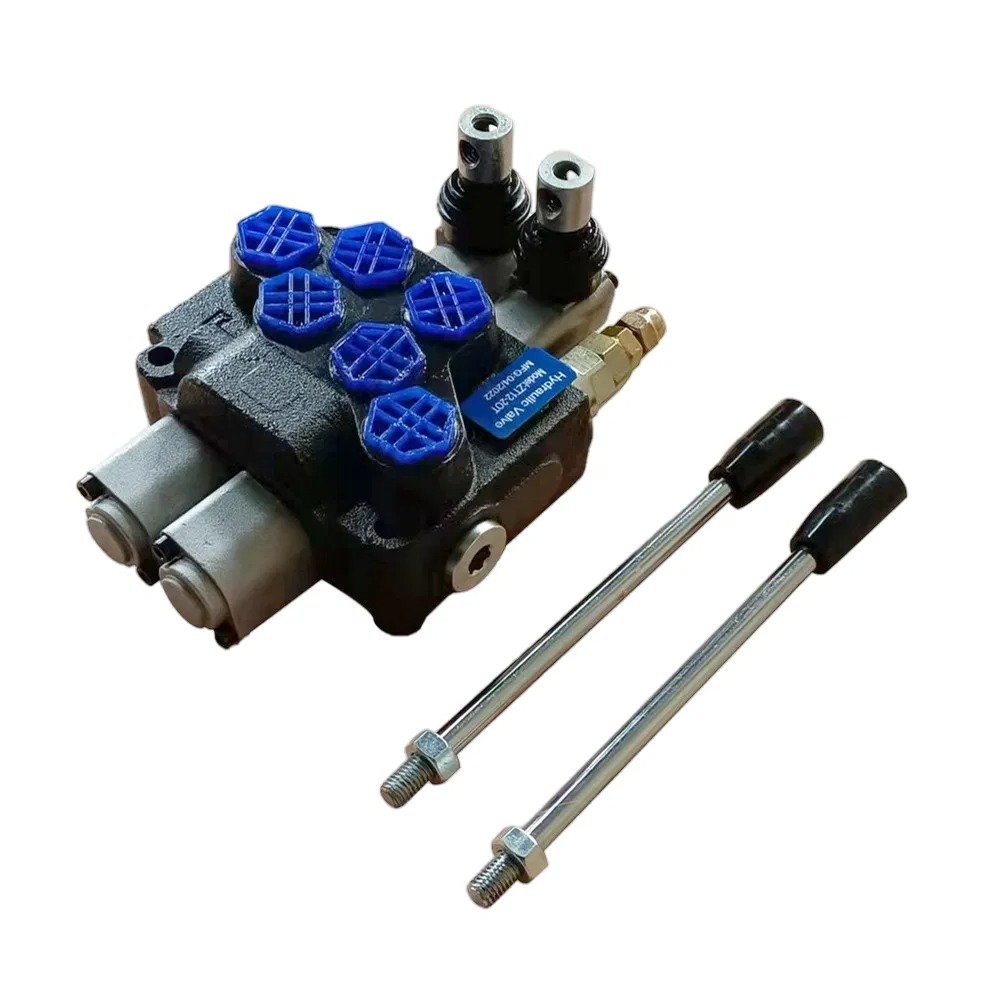
A hydraulic valve is an industrial component that controls the flow of hydraulic fluid within a hydraulic system. These valves come in various types, each designed to fulfill specific functions, such as directional control, pressure control, or flow control. Notable terms include:
Understanding these terms is crucial for selecting the right hydraulic valve for your system.
Hydraulic systems can be categorized into open-loop and closed-loop systems:
Open-loop systems: These do not recirculate fluid. Instead, they draw in fluid from a reservoir and discharge it after use. This type is simpler and often found in applications like agricultural machinery.
Closed-loop systems: These recirculate fluid, offering better efficiency and control. Such systems are common in heavy machinery and industrial applications, requiring precise fluid management.
Hydraulic valves are utilized across a diverse range of industries. Here are some key applications:
Each application showcases the versatility and importance of hydraulic valves for functional efficiency.
Hydraulic valves offer several advantages, making them indispensable in various industries:
Incorporating these components into machinery ensures optimal performance, reduced downtime, and improved safety.
To fully understand hydraulic systems and their advantages, it's beneficial to read product user guides and literature offered by reputable Hydraulic Valve Manufacturers, such as DINGAN. This can help in understanding the operational mechanisms and selecting the best components for your needs.
What factors should I consider when choosing a hydraulic valve?
When selecting a hydraulic valve, factors such as operating pressure, fluid type, temperature range, and specific application needs should be considered.
How do hydraulic valves fail?
Common causes of hydraulic valve failure include contamination of hydraulic fluid, wear and tear from prolonged use, and pressure surges beyond the valve's capacity.
Can I retrofit my existing systems with new hydraulic valves?
Yes, many modern hydraulic valves can be retrofitted onto existing systems, but it's important to consult with a Hydraulic Valve Manufacturer to ensure compatibility.
For a deeper understanding of hydraulic systems, consider exploring further resources or trying out products from DINGAN, paving the way for improved operational efficiency.


