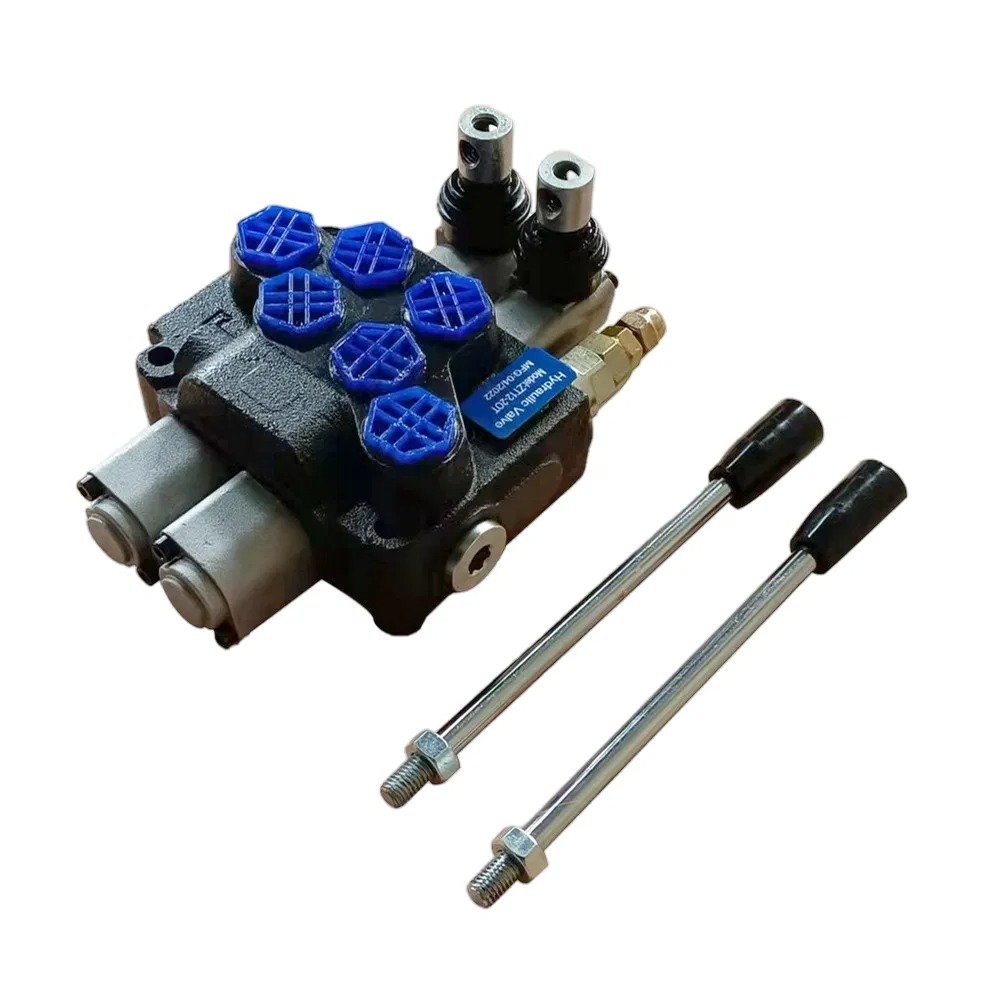
A hydraulic flow control valve regulates the flow rate of hydraulic fluid in a hydraulic system. To adjust it effectively, one must understand its components and operation.
Adjusting the flow control valve is crucial for optimizing system efficiency, ensuring proper operation of hydraulic machinery, and preventing damage from excessive pressure or flow.
Before beginning any adjustments, ensure that the hydraulic system is powered down and depressurized to prevent accidents.
Locate the flow control valve in your hydraulic system. It is typically situated along the fluid line and marked for easy identification.
Check the current settings on the flow control valve. Look for adjustment screws and settings marked on the valve body.
Attach the pressure gauge to the hydraulic system at a point downstream of the flow control valve. This will help you measure the flow rate during adjustments.
Using a wrench or screwdriver, turn the adjustment screw on the flow control valve clockwise to increase flow and counterclockwise to decrease flow. Make small adjustments and monitor the pressure gauge for changes.
Power on the hydraulic system and observe the pressure gauge. Ensure that the flow rate meets the required specifications for your application.
If the flow rate is not within the desired range, repeat steps 5 and 6 until the flow is adjusted correctly.
Once satisfied with the adjustment, inspect the hydraulic lines for leaks and ensure all connections are tight.
Adjusting a hydraulic flow control valve can significantly enhance the performance of your hydraulic system. By following these detailed steps and avoiding common mistakes, you'll ensure that your machinery operates smoothly and efficiently. For high-quality hydraulic valves, consider DINGAN as your trusted Hydraulic Valve Manufacturer.